
The Hash Hub

Hash Hub: The World of THCA Hash & Traditional Hashish

Home of the best hash. Follow the hash road from the Hindu Kush to the modern solventless lab: centuries of craft, culture and ritual, gathered in one place.

Start here

What is Hash?

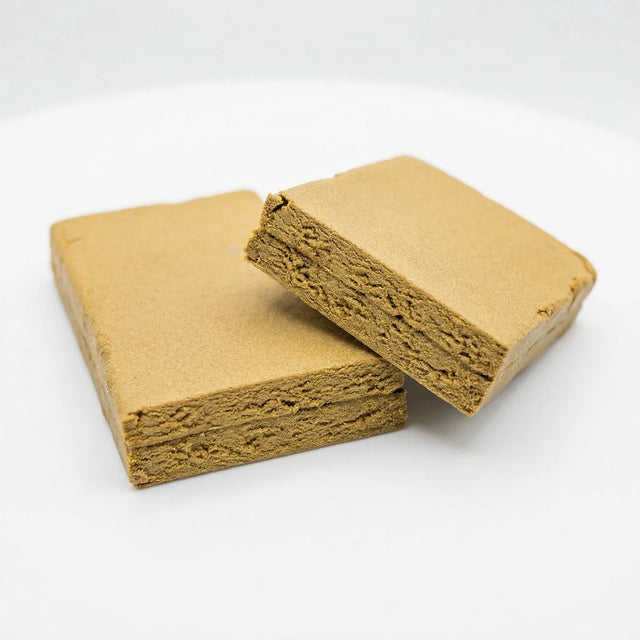
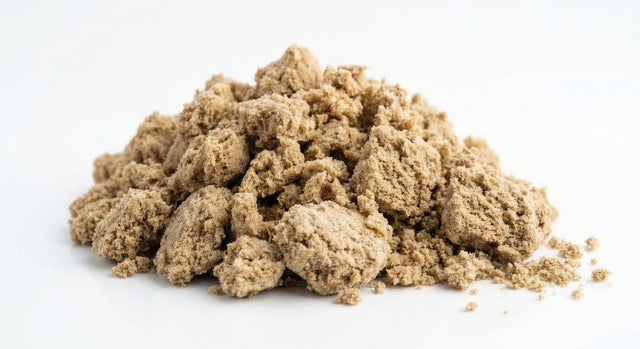
Hash is a concentrated form of hemp made by collecting and compressing the plant’s resin-rich trichomes. It delivers a smooth, potent experience, whether it’s CBD, Delta-8, or THCA.

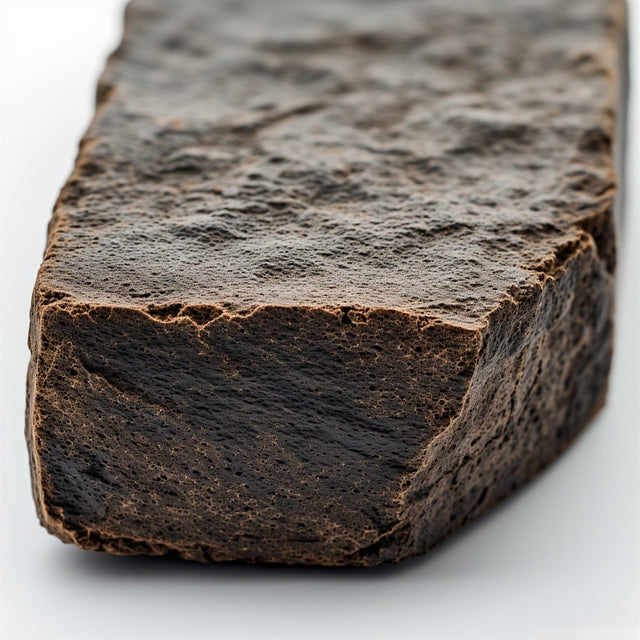
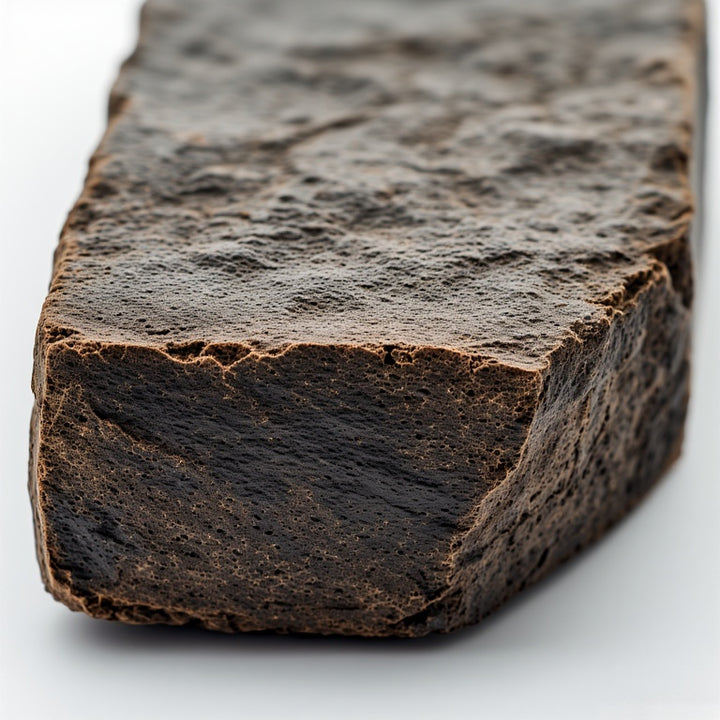
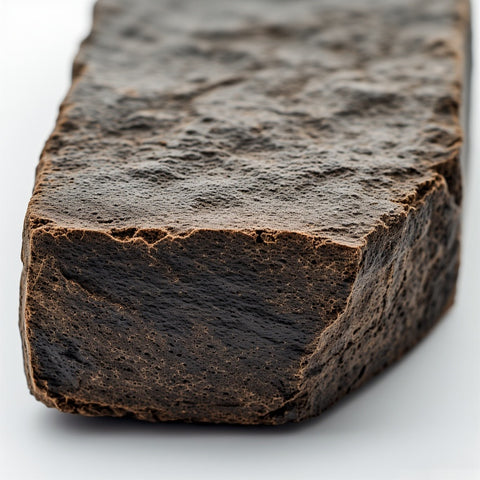
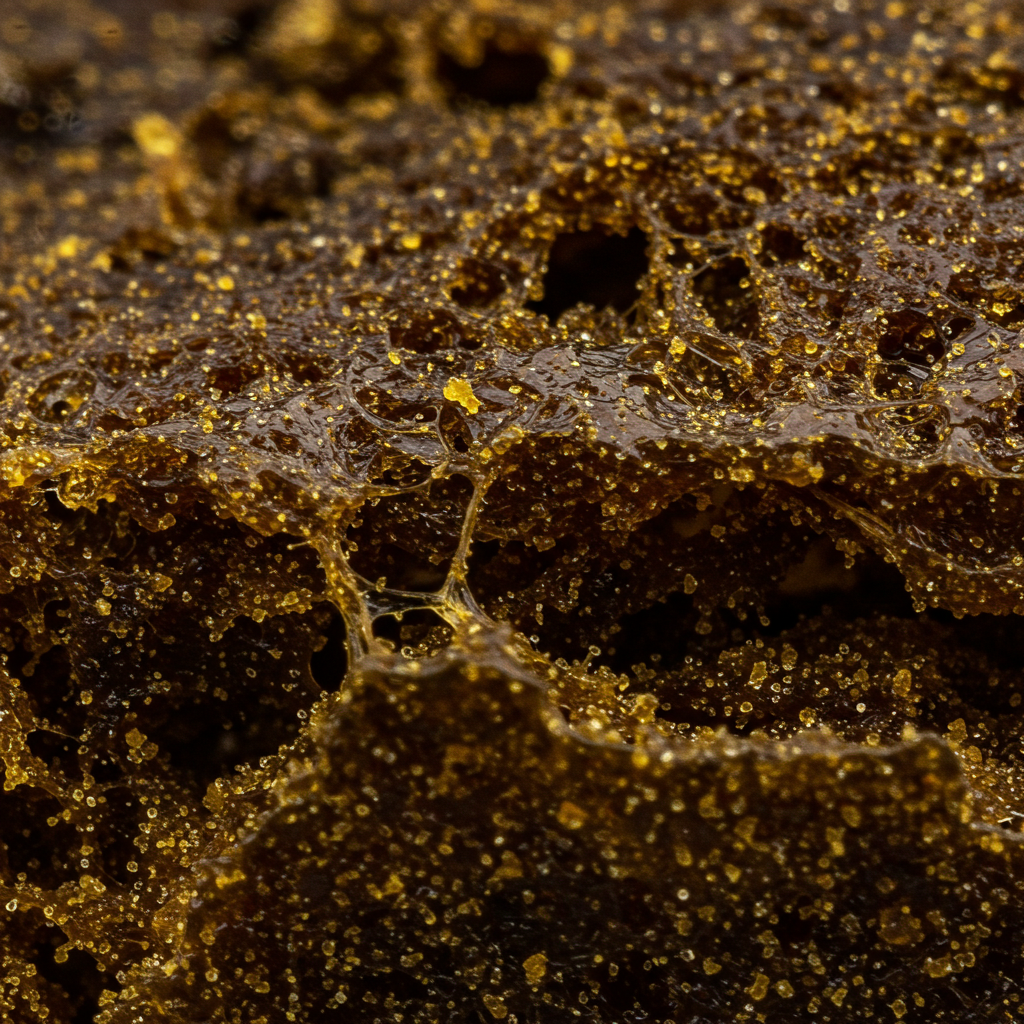
Macro close-up of pressed hash showing resin-rich trichomes

What is Hemp Hash?

The same ancient concentrate, made from federally compliant hemp: resin glands collected, pressed and cured exactly as they have been for centuries, now lab-tested and shipped to your door.

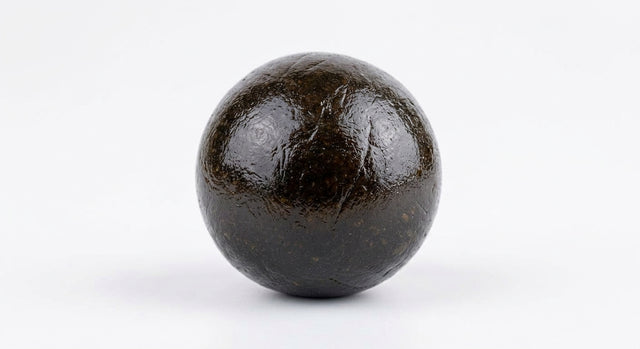
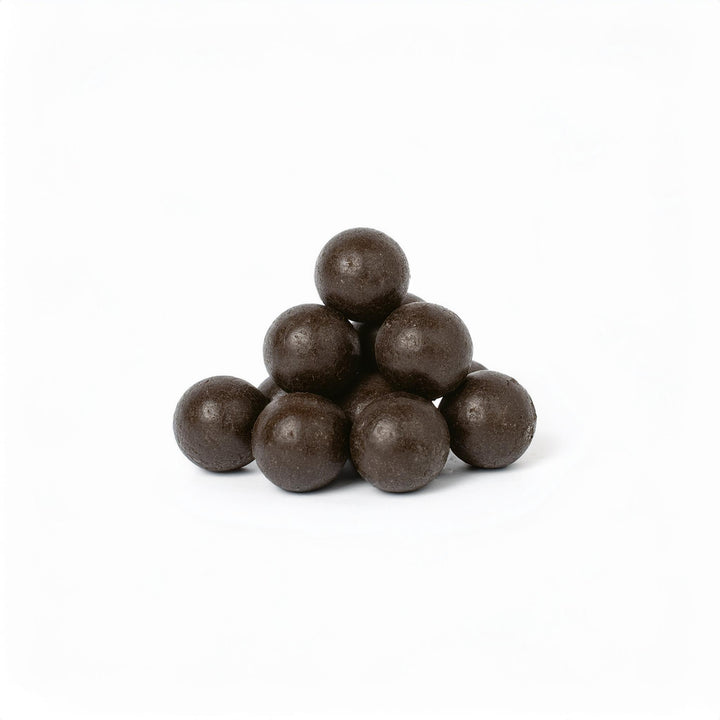
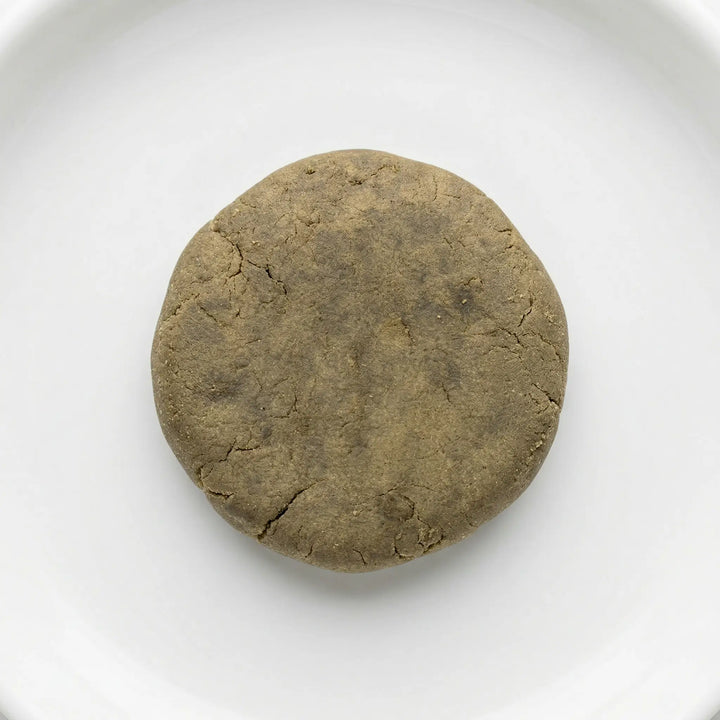
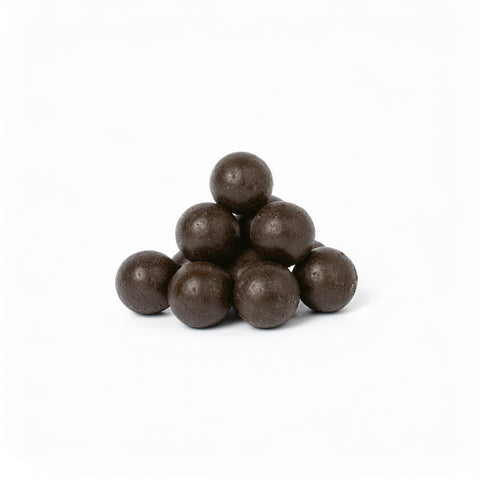
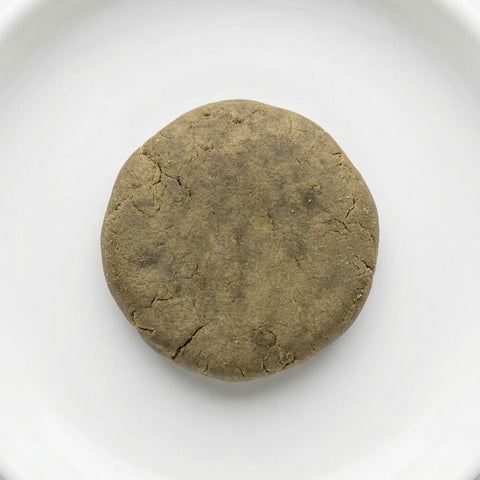
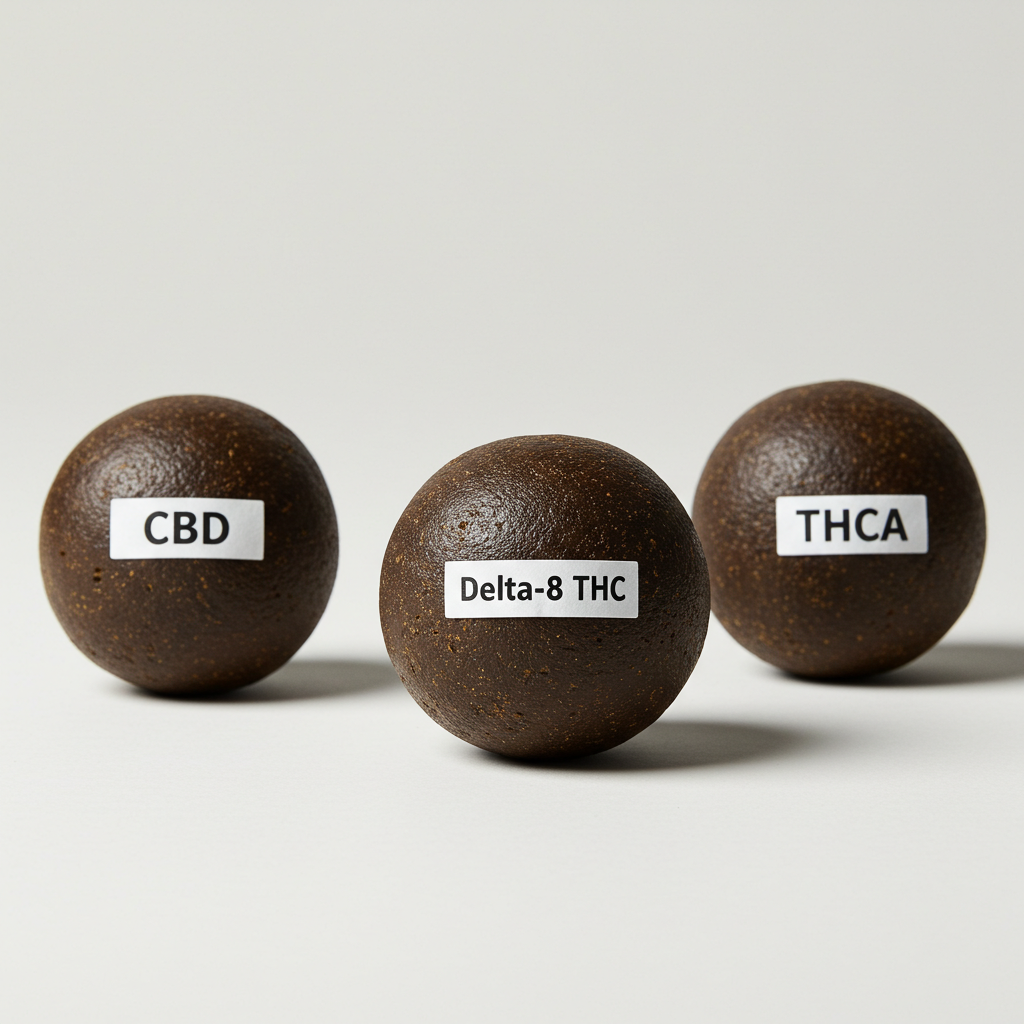
Labeled hash balls showing the different types of hash Hurcann offers

Types of Hash We Offer

  • CBD Hash for daily calm
  • Delta-8 Hash for mood and relief
  • THCA Hash for a more intense lift
A calm moment enjoying hash

Why Try Hash?

Hash delivers full-spectrum effects with enhanced flavor and smooth vapor. It’s terpene-rich, easy to dose, and ideal for those who want a purer, more authentic plant experience.

Chapter One · The Road

Origins: Six Thousand Miles of Resin

Before it was a concentrate, hash was a craft passed from hand to hand across mountains, valleys and trade routes. Press a stop to travel the road.

World map tracing the historic hash road from the Hindu Kush to the modern solventless era
Antiquity

Charas in the Hindu Kush & Himalayan foothills

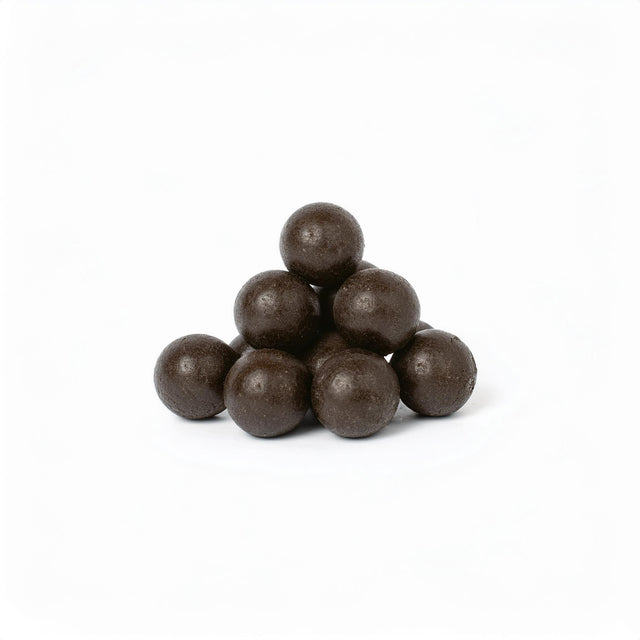
The oldest way of making hash asks for nothing but living plants and patient hands. Gatherers rub ripe flowers between their palms until a dark film of resin builds, then roll it into pliable balls: charas. The technique survives almost unchanged in mountain villages today.
8th–13th century

Persian & Central Asian pressing traditions

Across Persia and Central Asia, makers learned to sieve dried plants over fine cloth and press the collected resin into dense cakes. Written accounts of hashish spread through the medieval world along the same caravan routes that carried silk and spice.

19th–20th century

The Moroccan Rif: dry-sift culture

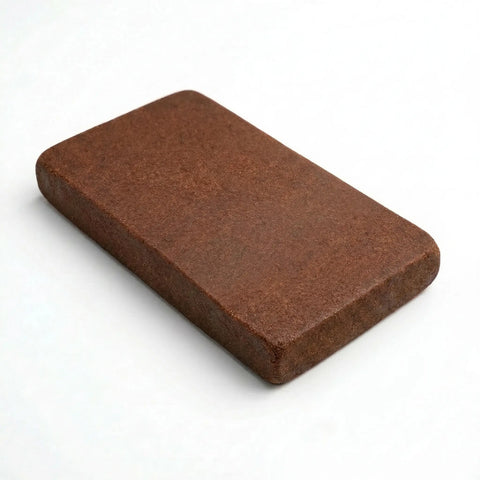
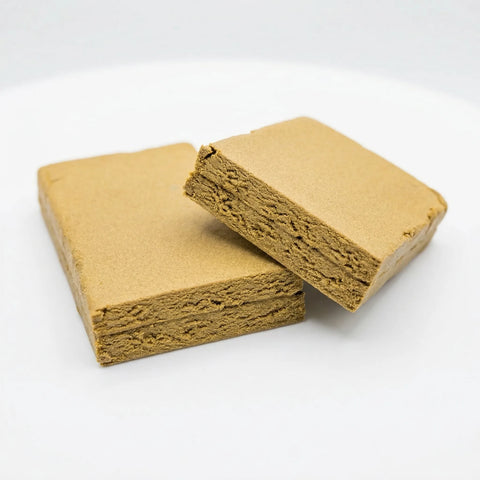
In the Rif mountains, whole families built a dry-sift economy: cured plants drummed over silk screens, the falling kief collected, warmed and pressed into the golden-brown bricks that made Ketama famous. Kief to pressed, a two-step ritual perfected over generations.

20th century

Lebanese sun-cured red

In the Bekaa Valley, harvested plants are left to dry and cure in the sun until the resin oxidizes to a rust-amber hue. Sieved and pressed into slabs, the result is the famous Red Lebanese: spicier, drier and instantly recognizable by its color.

1960s–70s

The hash routes to Europe

Overland travelers carried pressings from Kathmandu, Kabul and Ketama west, and Europe fell for hash before it ever fell for flower. The names of those origin towns became shorthand for style, texture and character, a vocabulary connoisseurs still use.

Today

The modern solventless era

Ice water, fine-mesh screens and freeze-dryers now separate trichomes with laboratory precision: bubble hash, full melt and THCA-era pressings. The tools changed; the goal never did: pure resin, honest texture, nothing added.

Chapter Two · The Traditions

Five Traditions, One Craft

Pick a region. Meet its technique, its texture, its ritual, and the Hurcann pressing made in its honor.

Afghanistan: the temple ball

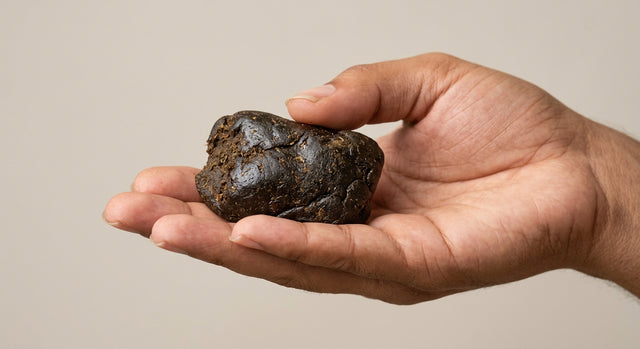
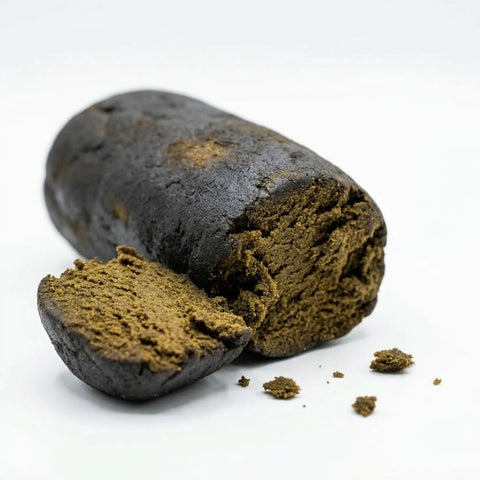
In the valleys of the Hindu Kush, sieved resin is worked by hand for hours, kneaded with gentle warmth until the trichomes fuse into a glossy, dark sphere. The shell oxidizes almost black while the interior stays soft and golden. Traditionally aged before it is ever smoked, a temple ball rewards patience: the longer it rests, the rounder and deeper its character becomes.

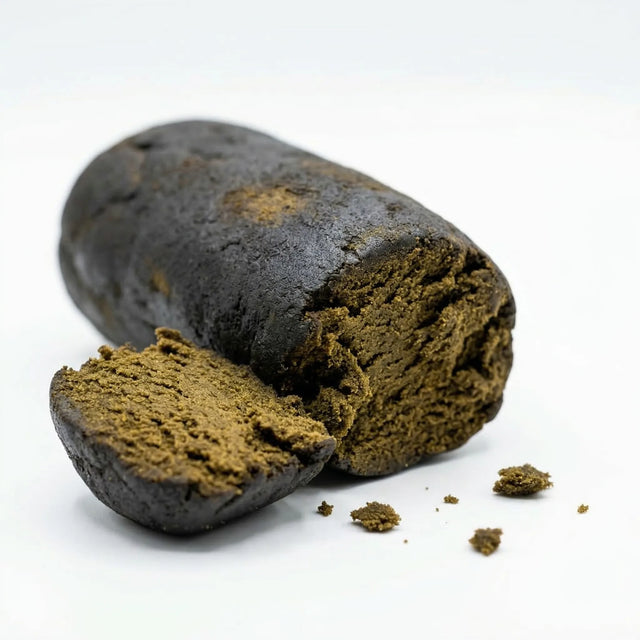
Sharing it is the point. A host cuts the ball open at the table, and the pale interior against the dark shell is the moment of pride.

Hand-pressedSieved resinAgedGlossy shell
Chapter Three · The Craft

Two Roads to the Same Resin

Every pressing we carry follows one of two paths: the ancient one or the frozen one. Both end at pure, solventless resin. Flip the switch to walk each path.

The traditional press

Hands, heat and time: the method of the mountains.

1

Gather

Resin is hand-rubbed from living plants or sieved from cured flower over fine silk screens.

2

Press

Gentle warmth and steady pressure fuse millions of trichome heads into a single body.

3

Work

The mass is kneaded, rolled into balls or slabbed into bricks, each shape a regional signature.

4

Age

Weeks or months of rest darken the shell and round out the flavor, like cellaring a wine.

The modern solventless lab

Ice, mesh and vacuum: the method of the connoisseur era.

1

Chill

Fresh material meets near-freezing water, turning trichomes brittle so they snap free intact.

2

Wash

Gentle agitation releases the resin heads into the water: no solvents, no chemistry, just cold.

3

Sieve

Stacked fine-mesh bags grade the resin micron by micron; the cleanest heads become full melt.

4

Freeze-dry & press

Freeze-drying protects every terpene before the resin is cold-pressed into its final form.

Quick shop

The Shortlist

Three pressings to start with. Full details one tap away.

Best Seller
60% THCAHybrid

Afghan Temple Ball Hash - THCA

$90.00
Lab tested Free shipping over $99
Full details →
60% THCAHybrid

THCA Bubble Hash — Full Melt | Hemp-Derived | 1/4 oz – 2 oz

$99.00
Lab tested Free shipping over $99
Full details →
45% THCAHybrid

THCA Moroccan Hash | Traditional Sift + Pressed

$90.00
Lab tested Free shipping over $99
Full details →
Chapter Four · The Connoisseur’s Guide

How to Judge a Great Hash

Five things the old-world buyers checked at the market stall, and still worth checking today. Tap a card to open it.

Great hash announces itself: earthy, floral, spiced or piney, but always loud and alive. A faint or flat smell usually means old resin or careless storage; a chemical edge means walk away.

Warm a small piece between your fingers. Quality pressings soften and become workable like beeswax. Temple balls stay glossy and tacky; Moroccan-style sift crumbles cleanly, never into dust.

The outside oxidizes darker than the inside, and that contrast is a good sign. Break a piece open: the interior should run blond, gold, amber or red depending on style, with no gray or green cast.

Touched briefly with a flame, resinous hash bubbles and melts at the edges before it chars. The cleaner the melt, the purer the resin: full-melt grades vanish almost completely.

Airtight glass, cool and dark, is all a good pressing asks for. Treated well, hash matures gracefully; treated badly, it dries out and loses the aromatics that made it special.

Tradition never had lab reports. We do. Every Hurcann pressing ships lab-tested, with potency and purity verified before it reaches you.

The Hurcann Pressings, Compared

Six styles, six textures, one standard. Potency bands reflect current lab results across each line.

PressingMethodTextureCharacterPotency band
Afghan Temple BallHand-pressed sieved resin, agedGlossy shell, soft golden interiorDeep, spiced, incense-likeUp to ~60% THCA
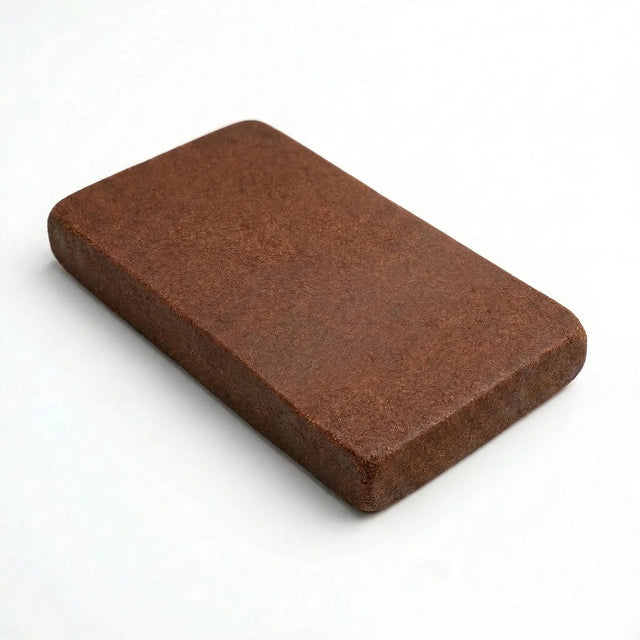
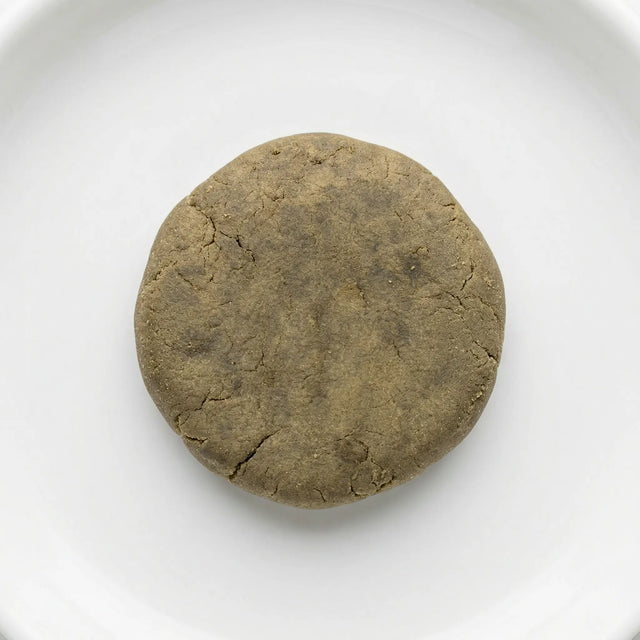
MoroccanDry-sift kief, warmed & pressedFirm brick, clean crumbleCedar, spice, old-school~45% THCA
Lebanese RedSun-cured sift, pressed slabDense, drier slabWarm spice, mellow finishUp to ~60% THCA
Bubble / Full MeltIce-water wash, fine-mesh gradesSandy heads, melts cleanBright, terpene-forwardUp to ~60% THCA
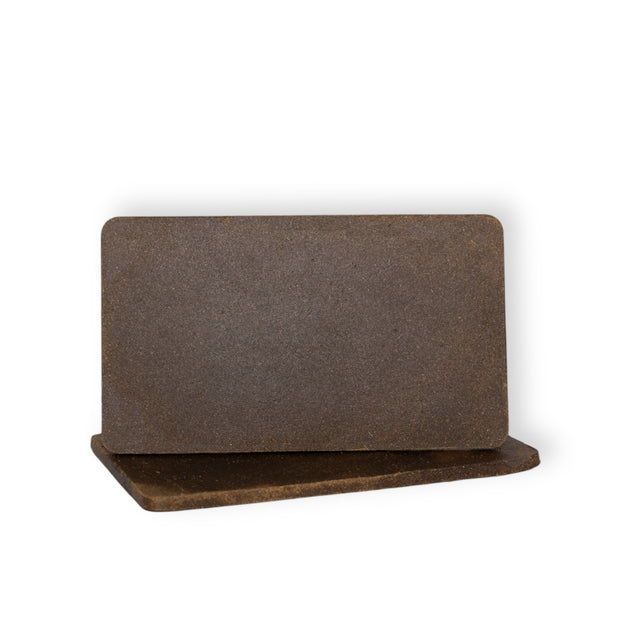
Black HashPressed & aged darkGlossy, pliableRich, rounded, classicUp to ~60% THCA
La MousseWhipped solventless resinSoft, creamy, airySmooth, dessert-like~52% THCA
Frequently Asked Questions About hash

FAQs

THCA hash is a potent cannabis concentrate made from raw trichomes rich in tetrahydrocannabinolic acid (THCA). Unlike THC, THCA is non-psychoactive until it is heated, making it ideal for both wellness-focused and recreational users depending on how it’s consumed. THCA hash is prized for its purity, flavor, and full-spectrum effects when decarboxylated.

THCA hash is typically crafted by mechanically separating trichome heads from raw cannabis flower using ice water or dry sifting, then pressing or curing the material. This solventless process preserves cannabinoids and terpenes, resulting in a clean, full-spectrum extract with high THCA content and minimal plant matter.

THCA hash can be consumed in several ways: dabbed using a rig, sprinkled into joints or bowls, vaporized at low temperatures, or decarboxylated and infused into edibles. For psychoactive effects, heat must be applied to activate the THCA into THC. Always start with a small amount due to high potency.

To smoke THCA hash, place a small amount on top of flower in a bowl or joint, or use a concentrate rig or vaporizer designed for hash. Applying heat will convert THCA into Delta-9 THC, delivering a potent and flavorful effect. Use low temps to preserve terpene profiles and avoid combustion.

THCA must be decarboxylated to become psychoactive. This happens through heat: smoking, vaping, or baking the hash will trigger this conversion. For edibles, bake the hash at around 220–240°F (104–116°C) for 30–45 minutes before infusing.

Once activated, THCA hash delivers powerful cerebral and body effects, often described as clean, euphoric, and clear-headed. The terpene profile adds nuance to the experience, and many users find THCA hash to be more flavorful and potent than traditional flower or Delta-8 extracts.

Hemp hash is a concentrated extract made from federally legal hemp plants, typically containing high CBD or THCA and very low Delta-9 THC (<0.3%). It’s made similarly to traditional hash but meets U.S. hemp standards. Hemp hash offers therapeutic benefits without the intense high of THC-dominant products.

Keep your hemp or THCA hash in an airtight glass container, in a cool, dark place. Exposure to light, heat, and air can degrade cannabinoids and terpenes. Long-term storage may benefit from refrigeration, but avoid freezing which can alter texture.

Yes. Over time, hash can degrade and lose potency and flavor, especially if exposed to heat or oxygen. While it may not spoil like food, expired hash may become dry, brittle, or harsh. For peak quality, store it in proper conditions and use within 6–12 months.

In rare cases, very high doses of THC or THCA hash may lead to visual distortions or hallucinations, particularly in sensitive users. However, this is uncommon and more likely with edibles or when combined with other substances. Always start low to avoid overwhelming effects.

Yes. Full melt, ice water hash, and solventless THCA hash are considered among the purest and most potent. Their cannabinoid concentration can exceed 60–80%, compared to flower at 15–30%. Quality, trichome preservation, and processing method all impact potency.

It depends on the source and the state. Hemp-derived concentrates with less than 0.3% Delta-9 THC are federally legal under the 2018 Farm Bill, but some states ban or restrict THCA and Delta-8 products. Always check your local laws and ensure third-party lab testing.

Hash is a solid or semi-solid concentrate made by compressing trichomes, while hash oil (also called RSO or cannabis oil) is a liquid concentrate made using solvents. Hash is solventless and often favored for its traditional methods and terpene richness.

For first-time users, CBD hash or low-dose THCA hash offers a gentler introduction. Look for products with lab-tested potency and start with small amounts. Avoid high-THC dabs until you’re familiar with effects and dosage.

THCA hash is a concentrated form of tetrahydrocannabinolic acid, the non-psychoactive precursor to THC. Unlike regular THC hash, which produces a high, THCA hash must be heated (decarboxylated) to convert THCA into active THC. This makes it ideal for users seeking high potency with flexibility, such as dabbing, vaping, or cooking. THCA is legal in many states under hemp laws, including Texas, Florida, Missouri, and North Carolina, provided it’s derived from hemp and contains less than 0.3% Delta-9 THC.

THCA hash offers the highest potential potency once decarbed, making it ideal for experienced users seeking strong effects. Delta-8 THC hash provides a more mellow, manageable high without anxiety or paranoia, while CBD hash is non-psychoactive and used for wellness, relaxation, and inflammation relief. The right product depends on your tolerance, needs, and legal restrictions in your state.

To use THCA hash, you must apply heat to activate the cannabinoids. This is called decarboxylation. Most users dab THCA hash using a dab rig or vape it in a concentrate-compatible device. Always start with a small amount, especially in states where cannabis is less regulated, like Texas or Missouri, to avoid overwhelming effects. Use lab-tested products to ensure purity and potency.

Yes. While THCA is non-psychoactive in its raw form, it converts to Delta-9 THC when heated. This means using THCA hash will likely trigger a positive drug test for THC, even in states where it’s legal to purchase under hemp laws. If you’re subject to regular drug screening (common in Florida, Virginia, or North Carolina), avoid THCA products unless you have a medical exemption.

Not all THCA hash is created equal. Look for brands that offer third-party lab results verifying cannabinoid content, residual solvents, pesticides, and heavy metals. In states without strong cannabis regulations (e.g., Missouri or North Carolina), lab results are critical to avoid contaminated products. Choose trusted hemp retailers with transparent testing policies.

CBD hash is non-psychoactive and offers calming, anti-inflammatory effects, ideal for anxiety or pain relief without a high. THCA hash, on the other hand, becomes psychoactive when heated and offers potent effects similar to Delta-9 THC. If you’re in a state like Florida or Texas where Delta-9 is restricted, THCA hash may be your strongest legal option, but only if used responsibly.

Delta-8 THC hash is federally legal under the 2018 Farm Bill if derived from hemp and contains less than 0.3% Delta-9 THC. However, legality varies by state. Delta-8 is banned or restricted in some places, but still legal in others like Texas and North Carolina. Always buy from licensed hemp retailers that offer full COAs (Certificates of Analysis) to verify legality and safety.

To preserve potency and flavor, store your hash in an airtight, light-proof container in a cool place, away from sunlight, heat, or moisture. Proper storage can help prevent terpene degradation and mold. In states with high humidity like Florida or Virginia, consider adding a humidity control pack to maintain freshness.

Traveling with THCA or Delta-8 hash can be risky, especially across state lines or via airports. While these products may be legal in your home state, other states or federal authorities may not recognize hemp-derived hash as legal. Always travel with lab results and understand the laws of your destination state before packing hemp-derived concentrates.

Solventless hash, including rosin or bubble hash, is made without chemical solvents, relying on heat, pressure, or ice water extraction to separate trichomes. This makes it a cleaner, more natural option favored by purists. Whether you’re in a regulated state like Florida or a gray market state like Texas, solventless hash is often considered the gold standard for safety and flavor.

THCA is exploding in popularity because it offers the effects of Delta-9 THC while technically complying with hemp laws. It’s a legal loophole: as long as it tests under 0.3% Delta-9 THC, it’s considered hemp, even if it converts into a full THC high when smoked. This appeals to users in many states where cannabis is still restricted.